Project Case StudyAugust 2025
Muattrans
Large-scale logistics delivery platform coordinating shippers, drivers, transporters, and customer service teams across auction-based shipment workflows.
DesktopMobileNode.jsTypeScriptExpress.jsSequelize ORMRedisDocker
#Muattrans
##Architectural Overview
Muattrans is a large-scale logistics platform built to coordinate cargo deliveries across a wide range of vehicles, from smaller Colt Diesel trucks to heavy-duty trailers. The ecosystem spans four applications: a mobile app for Shippers placing delivery requests, a mobile app for Drivers updating shipment progress in the field, a web platform for Transporters bidding on jobs, and a monitoring dashboard for Customer Service teams overseeing the entire flow. As a Backend Engineer, I worked on the monolithic backend that keeps pricing, shipment data, driver tracking, and multi-party coordination synchronized so deliveries can move reliably from auction to final arrival.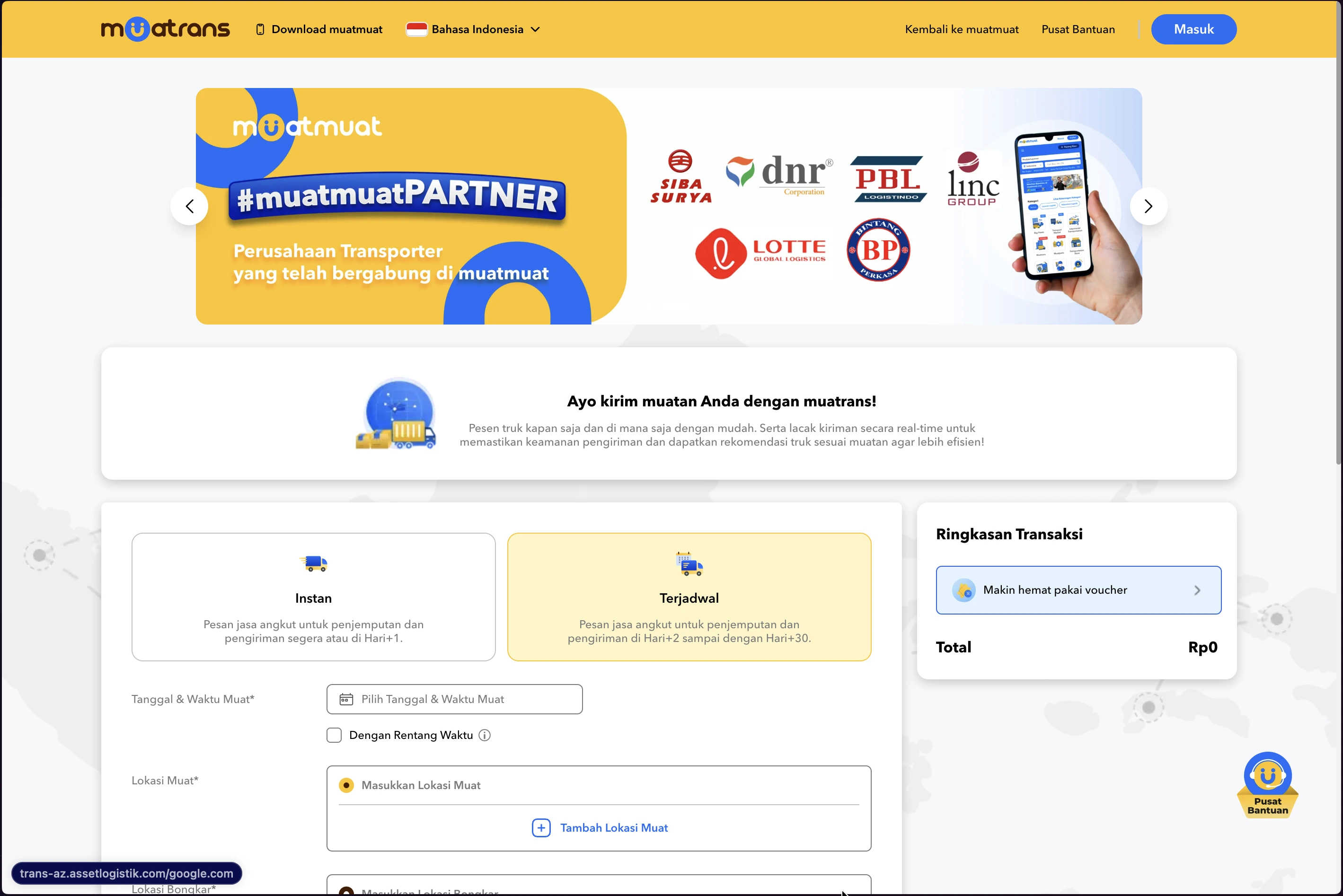
// Muattrans Platform Overview
##Key Features
Multi-Sided Shipment Tracking
Driver status changes are shared back to Shippers, Transporters, and Customer Service teams so every side can follow the same delivery progress with fewer communication gaps.
Auction-Based Order Matching
Shippers submit full delivery requirements into the platform, and nearby Transporters with suitable vehicle capacity can review and respond to those orders through the web auction panel.
Flexible Pricing Calculation
The system supports shipment pricing based on either distance per kilometer or destination-based rates, making it easier to handle different operational scenarios fairly.
Operational Coordination Across Four Apps
Dedicated workflows for Shippers, Drivers, Transporters, and Customer Service ensure each side can update status, monitor progress, and react quickly when shipment conditions change.
##Engineering Highlights
###Monolithic Logistics Core
Despite the platform's broad operational scope, the backend runs as a single structured application:
- Node.js + Express.js: Built the main API surface using Node.js, TypeScript, and Express.js so shipment orders, auction actions, tracking updates, and internal monitoring features could all move through one dependable service boundary.
- Sequelize Data Modeling: Used Sequelize ORM to organize relational shipment entities such as delivery requests, vehicle assignments, transporter bids, and tracking status histories in a way that stayed maintainable even as the workflow grew more complex.
###Pricing and Dispatch Coordination
The hardest part of the platform was keeping pricing and matching logic practical for real-world logistics:
- Custom Fare Logic: Structured pricing modules that could calculate rates by kilometer distance or by destination rules, depending on how the shipment was configured.
- Redis Caching Layer: Used Redis to cache high-traffic operational lookups—such as active shipment states and frequently accessed marketplace data—so the transporter auction board and monitoring dashboards stayed responsive.
- Operational Messaging & Alerts: Integrated Socket.io to support customer service chat, SOS-style urgent notifications, and fast delivery-status propagation whenever drivers updated shipment progress.
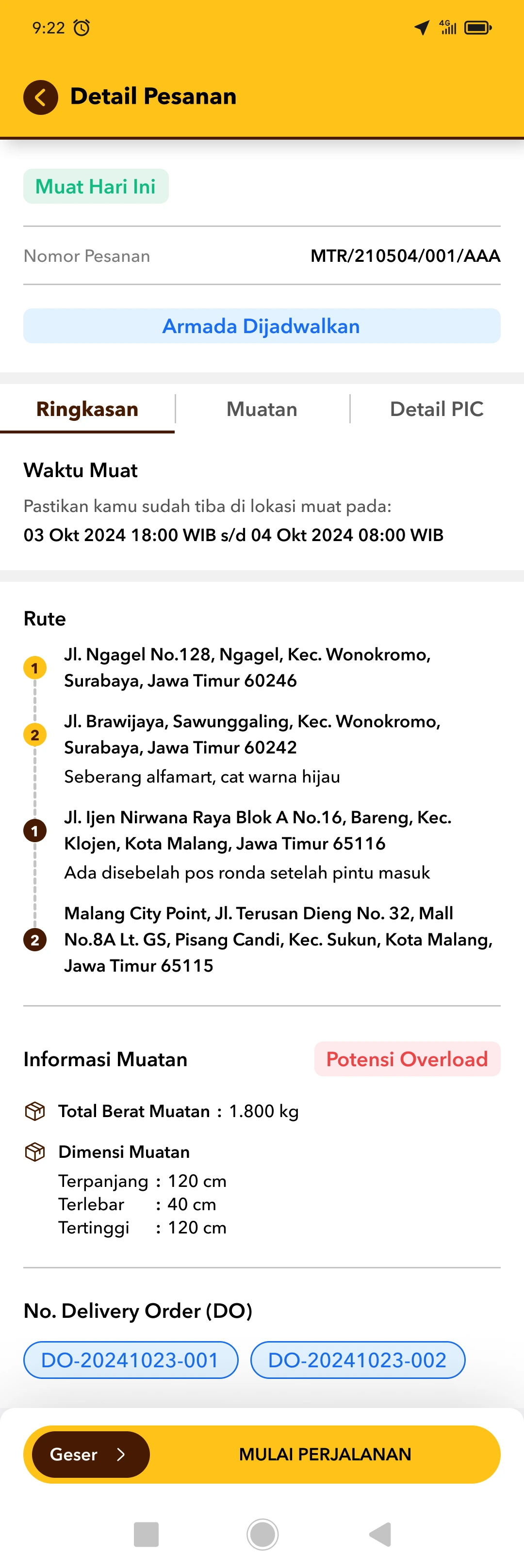
// Transporter Auction Dashboard
##My Role and Responsibilities
- Core API Development: Implemented the backend endpoints serving all four client applications, ensuring that shipper submissions, transporter bids, driver status updates, and customer service monitoring all shared a consistent business flow.
- Auction Workflow Logic: Built the logic that routes a new shipment request into the transporter marketplace so only relevant transport providers can review jobs that match their vehicle type and operational location.
- Tracking & Status Synchronization: Maintained the shipment state transitions so manual driver updates could be reflected clearly to Transporters, Shippers, and Customer Service teams without creating conflicting delivery statuses.
- Deployment & Runtime Consistency: Containerized the service with Docker to keep local development, QA, and deployment environments predictable for a backend with many operational dependencies.
- Operational Monitoring: Used Kibana to inspect logs and trace application errors more efficiently across the logistics workflow.
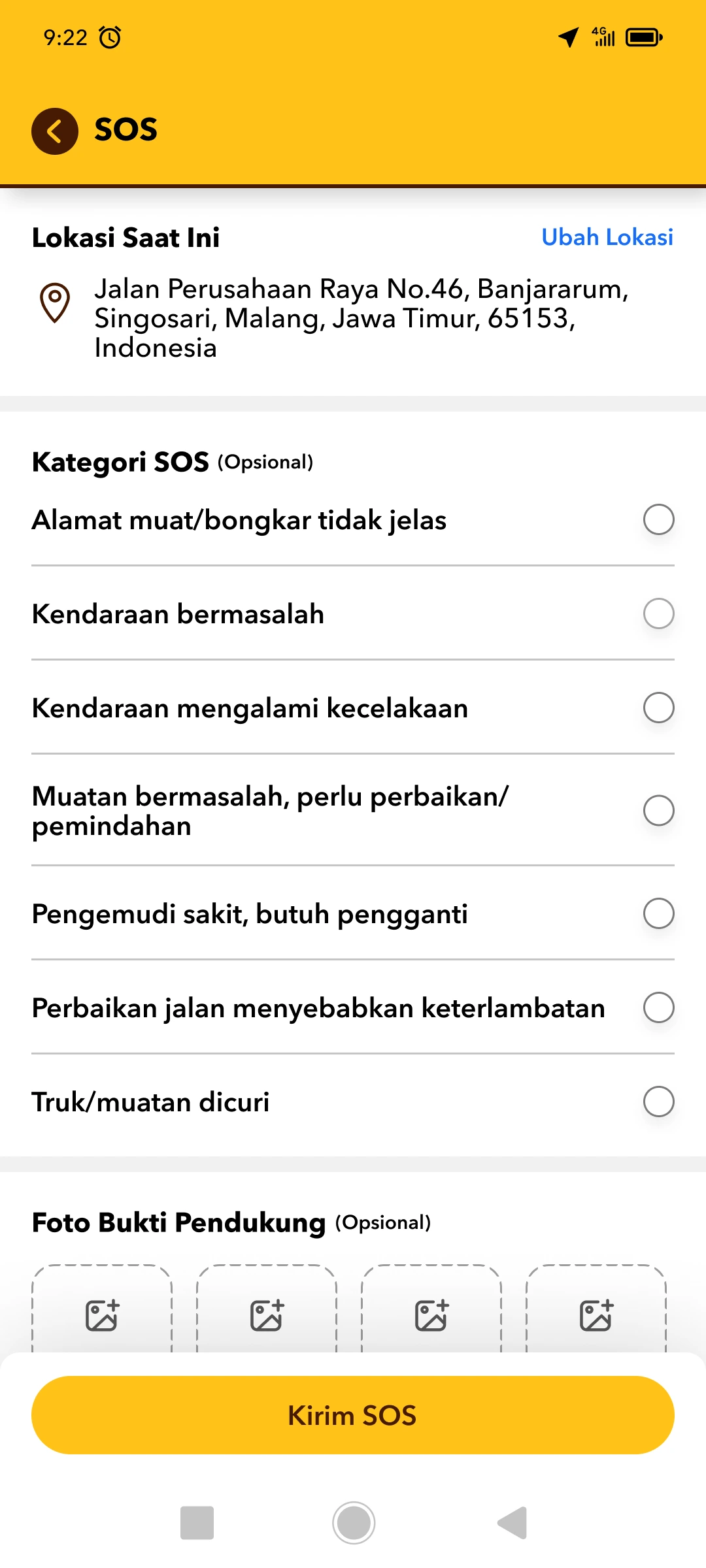
// Shipment Monitoring Workspace
##Technical Stack
- Languages: Node.js, TypeScript
- Frameworks: Express.js
- Architecture Style: Monolithic Backend
- Database Access: Sequelize ORM
- Caching Layer: Redis
- Messaging & Alerts: Socket.io
- Monitoring & Logging: Kibana
- Infrastructure & Runtime: Docker